
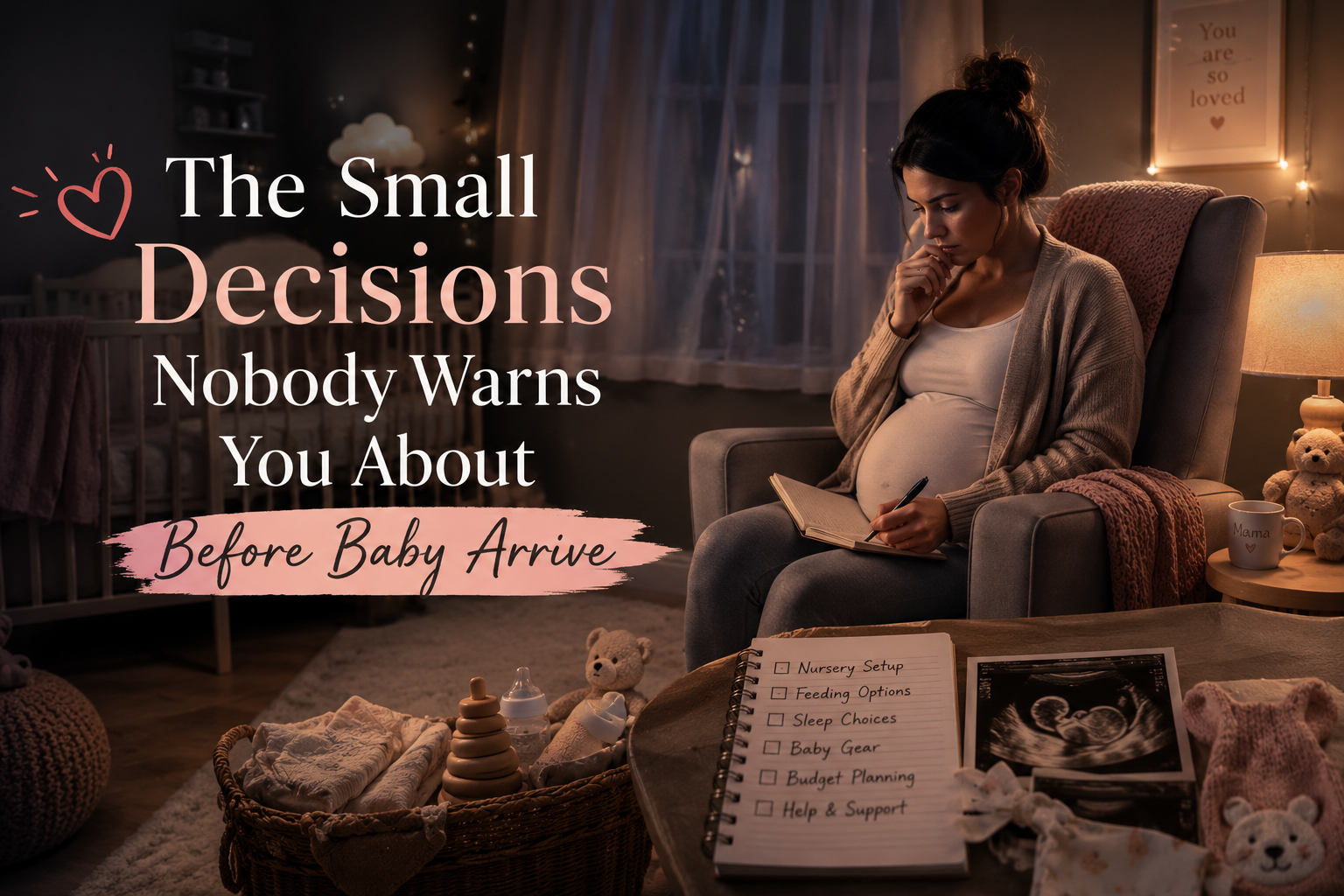
Somewhere around the third trimester, or maybe the first sleepless week at home, most new parents hit the same realisation: dressing a newborn is a lot more complicated than it looks. There are dozens of rompers to choose from, half of them look identical in a thumbnail photo, and the real differences — the ones that matter at 2am with a hungry, half-asleep baby — aren’t visible until you’re actually using the thing.
It’s a strange category of decision. Small in scale, but it shows up every single day for months.
Why the Small Stuff Isn’t Actually Small
Newborn care advice tends to focus on the big topics — feeding, sleep, developmental milestones. What gets less attention is how much daily friction comes down to practical choices made early on. A romper with a tight neckline, scratchy seams, or a full-body zip that snags isn’t just mildly annoying. It’s the difference between a two-minute nappy change and a fully awake baby at 3am.
A few things tend to matter more than people expect going in:
Fabric Against Newborn Skin
A baby’s skin is thinner and more reactive than an adult’s, so rough seams or synthetic blends with a stiff finish can cause irritation that’s easy to mistake for something else. Soft, breathable natural fibers are generally the safer starting point, particularly in the first few months.
How Easy it is to change them
Envelope necklines, snap closures down the legs, zips instead of buttons — these aren’t cosmetic details. Anyone who’s tried to pull a onesie over a newborn’s head in the dark understands why manufacturers bother with them.
Fit that leaves room to grow without swallowing them.
Babies grow quickly, and it’s tempting to size up so an outfit lasts longer. But too much loose fabric bunches up and can be a genuine safety concern near a baby’s face during sleep. Getting the fit right for now usually matters more than stretching the wear out of one item.
Whether it was made with any real care
This one is harder to quantify, but parents notice it. A first outfit, a coming-home outfit, a hamper gifted before the birth — these tend to get photographed and kept, sometimes for years. They don’t need to be expensive, but there’s a noticeable difference between something chosen deliberately and something grabbed off a shelf at the last minute.
Why This Feels Bigger Than It Should
There’s an emotional layer to buying for a newborn that doesn’t get discussed much outside parenting forums. Picking out that first outfit is often the first concrete sign that a person you’ve been imagining for months is actually, physically here — and that you’re now responsible for hundreds of small decisions on their behalf. Choosing something soft and safe over something purely decorative starts to feel like it matters more than it logically should.
That’s part of why gifts and purchases from this period get remembered longer than most baby items. It’s rarely about the item itself. It’s usually about the sense that someone put thought into the baby’s comfort and skin, not just how the outfit would photograph.
This is where a brand like Baby & Mum Gifts is worth mentioning. Looking into how they put their hampers and baby wear together, what stands out isn’t the marketing — it’s the consistency: Australian-made where that’s genuinely the case, run by a mum-owned business, and built around the idea that a baby gift should hold up to actual use rather than just look good unwrapped. It’s a reasonable option to have on the list if you’re buying for a newborn, though it’s one of several good ones, not the only one worth considering.
A Practical Checklist, If You Want One
If you’re shopping for yourself or a friend who’s expecting, a few practical questions tend to be more useful than trends or packaging:
– Does the outfit open fully, or does it need to go over the head?
– Would you be comfortable with that fabric against your own skin?
– Are the seams flat, and are there tags that could scratch?
– Does the sizing use actual measurements, given that “0–3 months” varies significantly between brands?
– Was it designed to be worn and washed repeatedly, or mainly to look good in a photo?
None of this requires much extra effort. It just means giving the small items slightly more thought than the checkout line usually allows.
The Weight New Parents Put on Small Things
There’s a particular kind of hope that comes with a new baby: hope that they’ll be healthy, that the early decisions will turn out to be the right ones, that even something as minor as what they’re dressed in reflects some of the care going into raising them. It’s a lot to put on a romper, admittedly, but it’s a real and fairly common feeling — one reason so many parents spend more time on these small purchases than they originally planned to.
Whatever ends up in the drawer, whether it’s from a brand that’s clearly paid attention to the details or something put together piece by piece, the amount of thought already going into the decision says more about the kind of parent someone will be than the outfit itself ever will.
Current Affairs a blog covering lifestyle, fashion, business, and the everyday decisions — including plenty on parenting and pets — that tend to matter more than they first appear to.