
From Ancient Pagan Myths to a Modern Global Phenomenon
Every year on the night of October 31st, a spine-chilling energy creeps across the globe—from the fog-shrouded streets of New York to the dark, windy corners of London and Hungary. The air turns cold, sinister masks emerge from the shadows, flickering Jack-o’-lanterns line porch steps, and eerie Halloween bashes ignite the darkness.
But have you ever paused to wonder: why do millions willingly step into the macabre, don blood-curdling costumes, and carve grimacing pumpkins? Is it merely innocent seasonal fun, or does a dark, centuries-old tale lie buried beneath the candy wrappers? Was this haunting ritual born out of genuine ancient terror—or was it orchestrated by savvy ancient opportunists as the world’s very first fear-based business empire?
Step into the shadows as we unearth the dark, fascinating origins of All Hallows’ Eve.
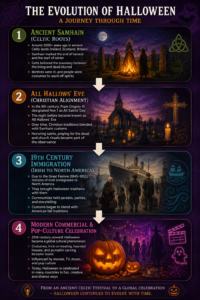
1. Where the Nightmare Began: Ancient History & The Business of Fear
According to seasoned historians and global archives (History Channel / Encyclopædia Britannica), the roots of Halloween stretch back over 2,000 years into the mist-shrouded lands of ancient Europe (present-day Ireland, the UK, and Northern France). These lands were dominated by an ancient tribal society known to history as the Celts.
Within Celtic society, cunning leaders leveraged primal dread to build a lucrative monopoly on fear, substituting empirical understanding with fabricated myths:
-
Nature Worship & Animism: They attributed sentient consciousness to inanimate objects, believing spirits inhabited trees, rivers, and beasts. They offered physical sacrifices to appease these invisible environmental forces.
-
Sinister Spectral Myths: They believed that on the boundary between seasons, the veil between the living and the dead thinned, allowing malevolent wraiths to roam free and inflict catastrophe upon mortals.
To capitalize on this dread, elite tribal figures promoted the ancient festival of Samhain (pronounced Sow-in). As the grueling harvest ended and winter’s brutal chill set in, opportunists saw an undeniable business opportunity:
-
The Shift into Darkness: November 1st marked the Celtic New Year—the death of summer and the dawn of a long, treacherous winter.
-
Commercializing the Supernatural: High priests and tribal elites stoked fear, convincing the superstitious folk that damned souls were returning on October 31st. They peddled ritualistic protection, demanding offerings and tribute to keep evil spirits at bay.
-
Ghoulish Hide & Leather Costumes: To trick roaming demons, villagers began disguising themselves in animal skins and bone masks. Leather artisans and elites profited wildly, selling dark protective gear to a terrified populace who eagerly spent their hard-earned harvest gains for a thrill of relief.
What started as a desperate ritual to ward off demonic forces slowly transformed into a multi-billion-dollar juggernaut of fear-driven commerce.
2. Historical & Logical Analysis of Celtic Mythology
From an analytical, historical, and logical standpoint, the ancient Celtic worldview relied on unfounded superstitions and structural flaws:
-
Polytheistic Fragmentation: Historical records reveal the Celts worshipped over 400 distinct deities, arbitrarily endowing natural phenomena like thunder, rain, and forests with independent, often conflicting divine wills.
-
Misguided Animism: Attributing human-like motives to inanimate natural elements led their society away from empirical observation and scientific reasoning.
-
Manufactured Spectral Omens: The belief in returning ghosts was a socially constructed narrative designed to maintain societal compliance and economic revenue through systematic fear.
3. From ‘All Hallows’ Eve’ to ‘Halloween’
In the 8th century, as Christianity expanded, the Catholic Church attempted to supplant pagan rituals by establishing November 1st as All Saints’ Day (also known as All Hallows’ Day) to honor martyrs.
The night preceding it—October 31st—was dubbed All Hallows’ Eve. Over centuries of linguistic evolution and pop culture shifts, the phrase morphed into the bone-chilling name we know today: Halloween.
4. Modern Horror, Pop Culture, & Viral Trends
In today’s fast-paced digital era, Halloween has transformed into a massive pop-culture phenomenon that dominates global trends:
-
Social Media Frenzy: TikTok and Instagram are flooded with gory special-effects makeup, jump-scare reels, and haunted house walk-throughs racking up billions of views.
-
Hollywood & Pop-Culture Influence: Blockbuster horror flicks, iconic anime characters, and celebrity cosplay drive the year’s hottest outfit trends.
-
Global Invasion: Once confined mainly to North America and Europe, Halloween street parties and haunted attractions now light up major hubs across Asia and the Middle East.
-
The E-Commerce Surge: Digital storefronts begin stocking spooky decor, animatronics, and cinematic apparel months before October even arrives.
-
Corporate & Franchise Hype: Global brands and fast-food giants launch limited-edition “spooky” packaging and dark-themed promos to rake in massive seasonal revenues.
-
High-End Horror Fashion: Today’s revellers demand more than cheap plastic masks; premium movie-accurate apparel and high-end leather outerwear have become the gold standard of Halloween style.
 5. Thrilling Celebrations & The Multi-Billion Dollar Empire
When dusk falls on October 31st, cities transform into immersive, theatrical playgrounds filled with spine-tingling energy:
-
Electrifying Street Carnivals: Streets come alive with glowing strobe lights, eerie soundscapes, immersive haunts, and costumed parades that feel straight out of a horror movie set.
-
Trick-or-Treating Revelry: Children in spooky gear roam neighborhood blocks filling pails with candy, while adults gather for cinematic-themed haunted house galas.
-
Staggering Industry Numbers: According to National Retail Federation (NRF) reports, Halloween spending hit a staggering $11.6 billion in 2024 and surged to a record-breaking $13.1 billion in 2025 (with billions spent across costumes, haunted decor, and candy).
-
2026 Financial Projections: Driven by viral social trends, global Halloween spending in 2026 is projected to hit an incredible $13.8 to $14.2 billion, proving that the business of spookiness is bigger than ever.
6. Legendary Halloween Traditions & Their Dark Lore
A) The Jack-o’-Lantern (Carved Pumpkins)
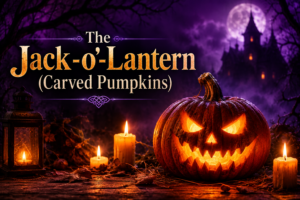
Carving terrifying faces into pumpkins and placing candles inside stems from the sinister Irish folklore of Stingy Jack—a deceitful trickster denied entry to both Heaven and Hell. Condemned to roam the dark forever with only a burning coal inside a carved turnip, Irish immigrants later brought the tale to America, swapping turnips for larger, spookier pumpkins.
B) Trick-or-Treating
Children marching door-to-door demanding sweet treats originates from the medieval custom of “Souling.” Needy souls would visit wealthier homes offering prayers for the dead in exchange for small soul cakes. Over time, it evolved into playful tricks and sweet treats.
7. The Psychology of Fear: Why We Love Being Scared
Why do millions crave the eerie and sinister? Behavioral psychologists highlight key psychological triggers behind the thrill:
-
Controlled Fear (The Adrenaline Rush): When the brain recognizes a threat is simulated rather than real, it floods the body with Adrenaline and Dopamine, delivering an exhilarating high without real danger.
-
Creative Alter Egos: Donning an intimidating costume allows people to break free from daily routines and step into an empowered, alternative persona for one night.
-
Normalizing the Unknown: Facing artificial monsters and spooky aesthetics in a celebratory environment helps human minds conquer subconscious phobias and desensitize real-world dread.
8. The Year’s Most Wanted Halloween Costumes
(Source: NRF Annual Consumer Trends)
Halloween outfits generally break down into three dominant categories every season:
1. Kids’ Fan Favorites
-
Iconic Superheroes: Spider-Man and the Avengers continuously top the charts for young trick-or-treaters.
-
Enchanted Royalty: Disney princesses (especially Elsa from Frozen).
-
Classic Witches & Anime Heroes: Spooky classic witches and trending anime icons.
2. Adult Showstoppers
-
Classic Witches & Gothic Lore: The timeless witch aesthetic remains the #1 choice among adults year after year.
-
Slasher Icons & Horror Legends: Iconic slasher figures like Jason Voorhees (Friday the 13th), Michael Myers (Halloween), and Freddy Krueger dominate the classic dark horror scene.
-
Anti-Heroes & Pop-Culture Icons: Vibrant movie characters like Harley Quinn, Barbie & Ken ensembles, and viral TV character gear remain massive hits for adult costumes.
3. Spooky Pet Outfits
-
Pumpkin Costumes: The all-time classic favorite for dogs and cats.
-
Hot Dogs & Monstrous Spiders: Hilarious yet adorable eerie disguises.
In today’s fast-paced world, current affiars are no longer just about traditional news, but about global cultural shifts, viral trends, and massive economic movements.
Modern Halloween has emerged as a prime example of a current global trend, evolving from an ancient lore into a massive international phenomenon.
Across the globe, cities transform every October into vibrant, high-energy hubs featuring grand street carnivals, horror parades, and immersive festive celebrations.
Beyond the eerie fun and entertainment, Halloween has turned into a multi-billion-dollar business powerhouse driving global retail, e-commerce, and entertainment sectors.
The surge in demand for film-inspired costumes, high-end leather fashion outerwear, and movie cosplay jackets showcases how pop culture heavily dictates seasonal commercial sales.
From fast-food chains launching spooky packaging to e-commerce giants stocking decor months in advance, corporate brands capitalize heavily on this festive season.
Financial reports highlight that seasonal celebration spending now reaches staggering billions annually, proving that the business of spookiness is bigger than ever.
Ultimately, analyzing modern current affairs shows how cultural celebrations, psychological thrill-seeking, and commercial business strategy intertw to shape today’s global economy.
Frequently Asked Questions
Q1: What does the word “Halloween” actually mean?
Q2: Which country did Halloween originate from?
Q3: Why are pumpkins carved on Halloween?
Q4: Is Halloween a religious ritual or a commercial holiday?
Q5: Where can I buy the best, affordable, and high-quality Halloween costumes and leather jackets?
Q6: Why do people dress up in scary costumes on Halloween?
Q7: What is the most popular Halloween costume of all time?
Q8: Is Halloween celebrated globally or just in the United States?
The Final Verdict
Halloween’s journey is a dark, fascinating evolution—starting from primal fear, tribal folklore, and ancient profit-driven schemes to becoming a modern global trend of cinema, high fashion, and psychological thrills. Whether you’re carving pumpkins, watching horror marathons, or stepping out in a killer outfit, Halloween remains the ultimate night to embrace the eerie and celebrate the thrill of the unknown.
(References & Sources: National Retail Federation (NRF) Market Reports, History Channel Historical Archives, Encyclopædia Britannica, & Behavioral Psychology Research)
I really enjoyed reading this article! It’s refreshing to see someone explain the real history of Halloween, because I’ve rarely seen its origins discussed properly in my 30 years. After reading, I clicked through to the author’s website and was impressed by the creepy, high-quality spooky costumes and surprisingly reasonable prices. The product details looked premium, so I decided to place an order after checking the reviews, which were also rated five stars. Looking forward to receiving my costume!